
Do Dispensary Purchases Show Up on Security Clearance?
Dispensary purchases do not automatically show up on security clearance background checks. However, federal investigators can discover marijuana use through interviews, social media, or voluntary disclosure on the SF-86. Admitting past use is generally viewed favorably under the Whole Person Concept, but current use while holding a clearance can lead to revocation.
How Marijuana Use Affects Your Security Clearance
Marijuana use is a significant factor in security clearance adjudication because cannabis remains illegal under federal law, regardless of state laws. The U.S. government's stance is clear: any use of marijuana, even in states where it's legal, can raise questions about an applicant's judgment, reliability, and willingness to follow rules.
When evaluating marijuana use, adjudicators apply the Whole Person Concept, which considers the whole person—not just isolated incidents. They look at the frequency and recency of use, the circumstances (e.g., experimental vs. habitual), and whether the applicant has stopped using. A single experimental use years ago is less concerning than regular use within the past year. Other red flags include associating with drug users, financial issues related to drug use, or illegal activities beyond simple possession.
Common reasons for security clearance denial include: recent or ongoing marijuana use, failing to disclose use on the SF-86, and evidence of substance abuse. The process is rigorous: for a Top Secret clearance, investigators may interview friends, coworkers, and neighbors. Admitting drug use on the SF-86 is not automatically disqualifying—honesty and mitigation (e.g., rehabilitation, no recent use) can demonstrate trustworthiness.
If you're applying for a clearance and have used marijuana, be prepared to discuss it openly. The key is to show that you understand the federal prohibition and have ceased use. For current holders, any use while holding a clearance can lead to an immediate red flag and potential revocation.
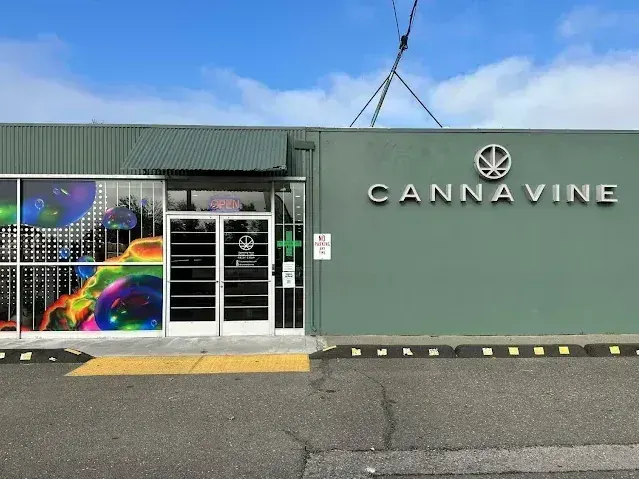

Consequences of Visiting a Dispensary While Holding a Security Clearance
If you currently hold a security clearance, visiting a dispensary or using marijuana can have serious consequences. Federal law prohibits marijuana use for clearance holders, even in states with legal cannabis. Simply walking into a dispensary could be seen as intent to purchase or consume, which may be reported by acquaintances or discovered during reinvestigations.
For military officers, the risks are even higher. The Uniform Code of Military Justice (UCMJ) prohibits marijuana use, and a visit to a dispensary could lead to disciplinary action, loss of clearance, and even discharge. The Individual Ready Reserve (IRR) and active-duty members are subject to random drug tests, and a positive test for THC can end a career.
The bottom line: if you hold a clearance, avoid any contact with marijuana, including dispensary visits, until federal law changes. If you have used marijuana while holding a clearance, consult an attorney experienced in security clearance matters before disclosing the information.
Do Dispensary Purchases Show Up on a Security Clearance Background Check?
No, dispensary purchases do not automatically appear on a security clearance background check. Dispensaries are private businesses, and their purchase records are not shared with federal agencies unless a subpoena is issued. However, that doesn't mean investigators can't find out. They rely on interviews with associates, social media posts, and your own disclosure on the SF-86.
Some searchers worry about ID scans at dispensaries—these are typically used for age verification and state tracking of sales, but they are not part of a federal database accessible to clearance investigators. Still, if an investigator learns from a friend that you visited a dispensary, they may ask you about it. Honesty is always the best policy.
In California, including Santa Rosa, dispensaries like ours follow state regulations for record-keeping, but those records are not automatically shared with federal authorities. The risk lies not in the purchase record itself, but in the behavior and disclosure.
Should You Admit Dispensary Purchases on the SF-86?
A good fit if…
- You want to avoid charges of falsification. Omitting marijuana use on the SF-86 can be considered a deliberate misrepresentation, which is grounds for denial or revocation.
- Your use was experimental or infrequent. The Whole Person Concept may treat past use leniently if it was limited and you've stopped.
- You can demonstrate rehabilitation or cessation. Showing that you understand the federal law and have stopped using marijuana can mitigate concerns.
Consider another option if…
- You are currently using marijuana. Admitting current use while holding or applying for a clearance is likely to result in denial or revocation.
- You have a pattern of heavy or recent use. This is a significant red flag and may require legal advice before disclosure.
- You are unsure about the timeline. If you stopped using marijuana less than a year ago, the adjudicator may still view it as recent.
For personalized guidance, consider consulting an attorney who specializes in security clearance law. At our dispensary near Railroad Square in Santa Rosa, we encourage customers to understand the legal landscape—but we cannot provide legal advice.
Directions to our dispensary in Santa Rosa, CA from Santa Rosa Transit Mall
Start at Santa Rosa Transit Mall and head to Cannavine Cannabis Dispensary (Santa Rosa) at 1831 Guerneville Rd, Santa Rosa, CA 95403.
Timeline: How Past Marijuana Use Affects Clearance Eligibility
- Stop using marijuana immediately. If you are applying for a clearance, cease use now. For Top Secret, adjudicators typically look for at least one year of abstinence; for Secret, six months may suffice, but longer is better.
- Document your cessation. Keep a record of when you stopped, and be prepared to discuss it in your interview.
- Wait before applying. If your use was recent (within the past year), consider delaying your application to allow more time to pass. A longer period of abstinence strengthens your case.
- Be honest on the SF-86. Disclose all past use accurately. Use the comments section to explain the context and your understanding of federal law.
- Prepare for the interview. Expect questions about your marijuana use. Explain why you used it, why you stopped, and how you now view federal law.
- Seek legal advice if needed. If your use was heavy or involved distribution, consult an attorney before applying.
What Happens When a Dispensary Scans Your ID?
When you visit a dispensary like ours in Santa Rosa, we scan your ID to verify your age and identity, as required by California law. This scan is used to log your visit in our state-compliant system, which tracks sales for regulatory purposes. This data is not shared with federal agencies unless a court order is issued. However, the scan itself creates a record that an investigator could theoretically discover if they had a specific reason to look. For most clearance applicants, this is not a primary concern—the bigger risk is voluntary disclosure or third-party reports.
Military Officers and Dispensary Visits: Security Clearance Risks
For military officers, visiting a dispensary or using marijuana is a direct violation of the Uniform Code of Military Justice (UCMJ) and Department of Defense policy. Even if you are in the Individual Ready Reserve (IRR) or not on active duty, you are still subject to the UCMJ. A positive drug test for THC can result in loss of clearance, court-martial, and discharge. Military officers should avoid any contact with marijuana, including dispensary visits, until federal law changes. If you have questions about your specific situation, consult a Judge Advocate General (JAG) or civilian attorney.
Does Owning Marijuana Stocks Affect Your Security Clearance?
Owning marijuana stocks is generally not a direct concern for security clearance adjudication, as long as the investment is passive and not tied to involvement in the industry. However, if the investment leads to active participation or financial dependence on the marijuana business, it could raise questions about judgment. Passive ownership of publicly traded stocks is typically not reported on the SF-86. If you are concerned, consult with a security clearance attorney for guidance specific to your portfolio.
For details on services and visits, see the main page about dispensary santa rosa ca.
Sources
Also asked as
- Will dispensary purchases appear on my security clearance background check?
- How does marijuana use affect my security clearance?
- Can I lose my clearance for visiting a dispensary?
Frequently asked questions
What shows up on a security clearance background check?
A security clearance background check includes a review of your criminal history, credit report, employment history, education, and interviews with associates. It does not automatically include dispensary purchase records, but investigators can discover marijuana use through interviews and your own disclosure.
Are dispensary purchases tracked?
Dispensaries in California are required to track sales for state regulatory compliance, including customer ID scans. However, this data is not automatically shared with federal agencies. It is accessible only through a subpoena or court order.
Can police see if you've been to a dispensary?
Police do not have real-time access to dispensary purchase records. However, if they have a warrant or subpoena, they can obtain records from the dispensary. For security clearance purposes, this is rarely a factor unless there is a specific investigation.
What disqualifies you for security clearance?
Common disqualifiers include recent or ongoing illegal drug use (including marijuana), failure to disclose drug use on the SF-86, financial irresponsibility, criminal history, and foreign influence. The adjudicator evaluates each case under the Whole Person Concept.
What is a red flag for a security clearance?
Red flags include recent or habitual marijuana use, association with drug users, financial problems related to drug use, and dishonesty on the SF-86. A pattern of risky behavior or failure to comply with federal law can also be concerning.